
Pool pH Testing Guide: How to Check pH, Alkalinity & Copper at Home
Testing your pool water at home is faster, more convenient, and often more accurate than visiting a pool shop—especially for freshwater and mineral pool owners. Here's how to test pH, alkalinity, and copper correctly.
Why Testing All Three Parameters Together Helps
Freshwater pools rely on a delicate balance of three key parameters:
- pH (7.2-7.6): Water acidity that affects everything—sanitizer effectiveness, swimmer comfort, equipment longevity
- Total Alkalinity (80-120 PPM): pH buffer that prevents rapid fluctuations
- Copper (2-4 PPM): The primary sanitizer that prevents algae in freshwater pools
These three parameters work together. When one is out of balance, the others are affected. Testing all three gives you the complete picture of your pool's health.
Understanding Each Parameter
pH: The Foundation of Pool Chemistry
pH measures how acidic or alkaline your water is on a scale of 0-14. For freshwater pools:
- 7.2-7.6: Ideal range (optimal sanitizer performance, swimmer comfort)
- Below 7.2: Too acidic (corrosive to equipment, eye irritation)
- Above 7.6: Too alkaline (reduces sanitizer effectiveness, cloudy water)
Total Alkalinity: pH's Best Friend
Alkalinity acts as a buffer, preventing rapid pH changes. Think of it as pH's shock absorber:
- 80-120 PPM: Ideal range (stable pH)
- Below 80 PPM: pH fluctuates wildly (pH bounce)
- Above 120 PPM: pH becomes difficult to adjust (pH lock)
Copper: Freshwater Pool Sanitizer
In freshwater pools, copper replaces chlorine as the primary sanitizer:
- 2-4 PPM: Ideal range (prevents algae, safe for swimming)
- Below 2 PPM: Algae risk, insufficient sanitation
- Above 4 PPM: Staining risk, potential for green hair
Step-by-Step Testing Process
What You'll Need
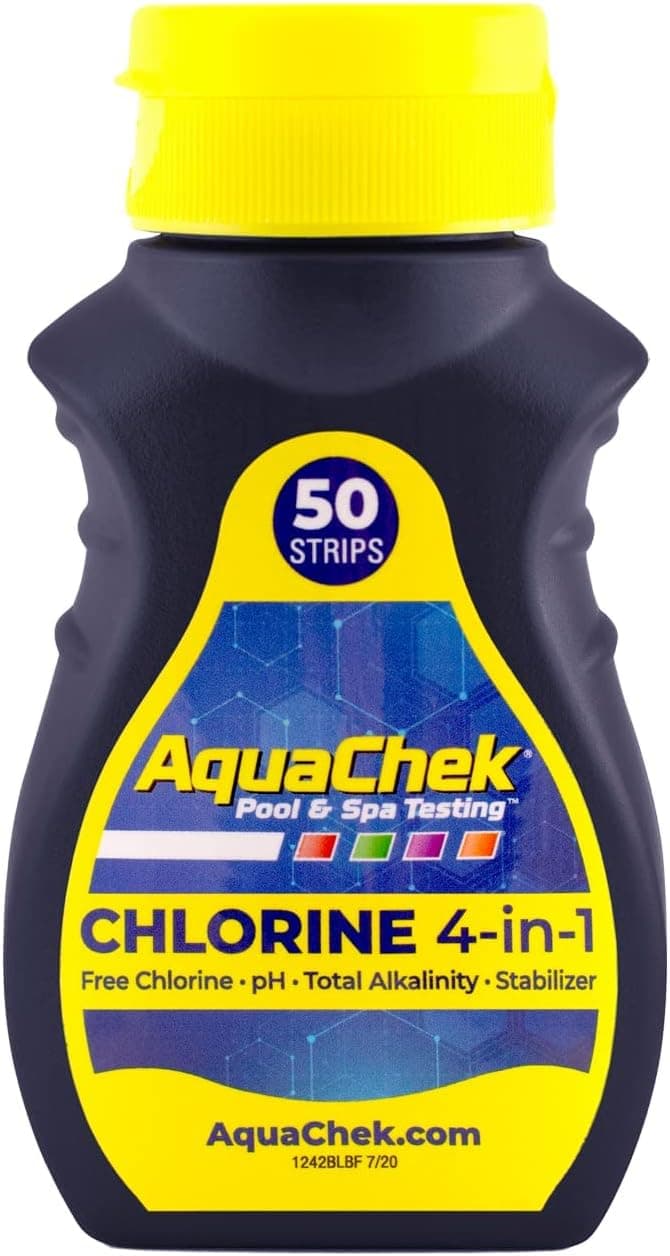
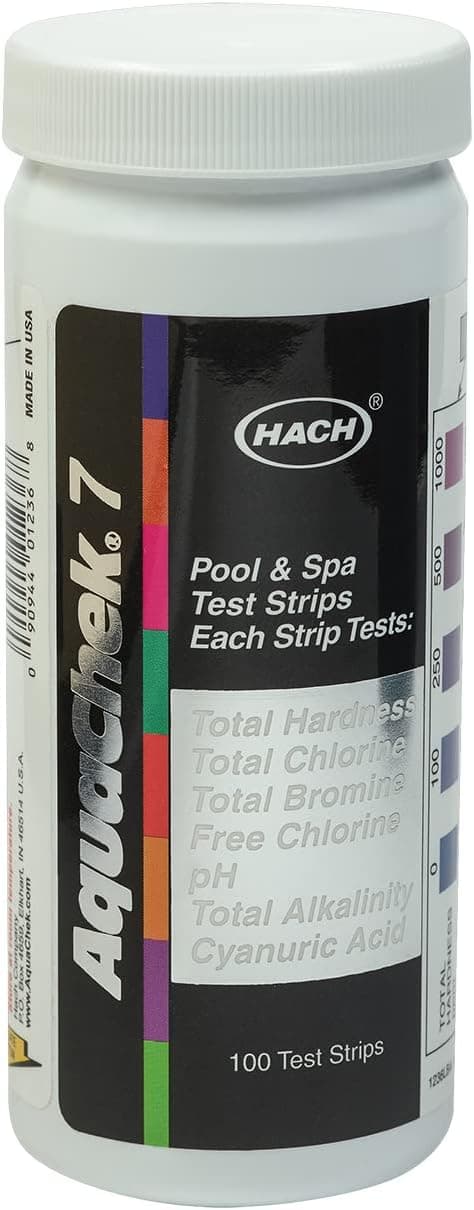
- Freshwater pool test strips (must measure copper, pH, and alkalinity)
- Test bottle with colour charts
- Natural light or bright white light
- Timer or stopwatch
Testing Procedure
- Take one test strip from the bottle—one strip is all you need
- Dip in pool water for 5 seconds with gentle back-and-forth motion
- Remove and shake briskly once to remove excess water
- Wait exactly 15 seconds for colours to develop
- Match pH and alkalinity first against the bottle colour chart
- Fold the strip over to create a white background for copper reading
- Match copper colour against the bottle chart
- Complete within 30 seconds for most accurate results
Pro tip: For copper reading, always fold the strip to create a white background. The copper pad ranges from very light pink (low) to darker pink (optimal range).
Reading Your Results
pH Results Guide
| Reading | Status | Action |
|---|---|---|
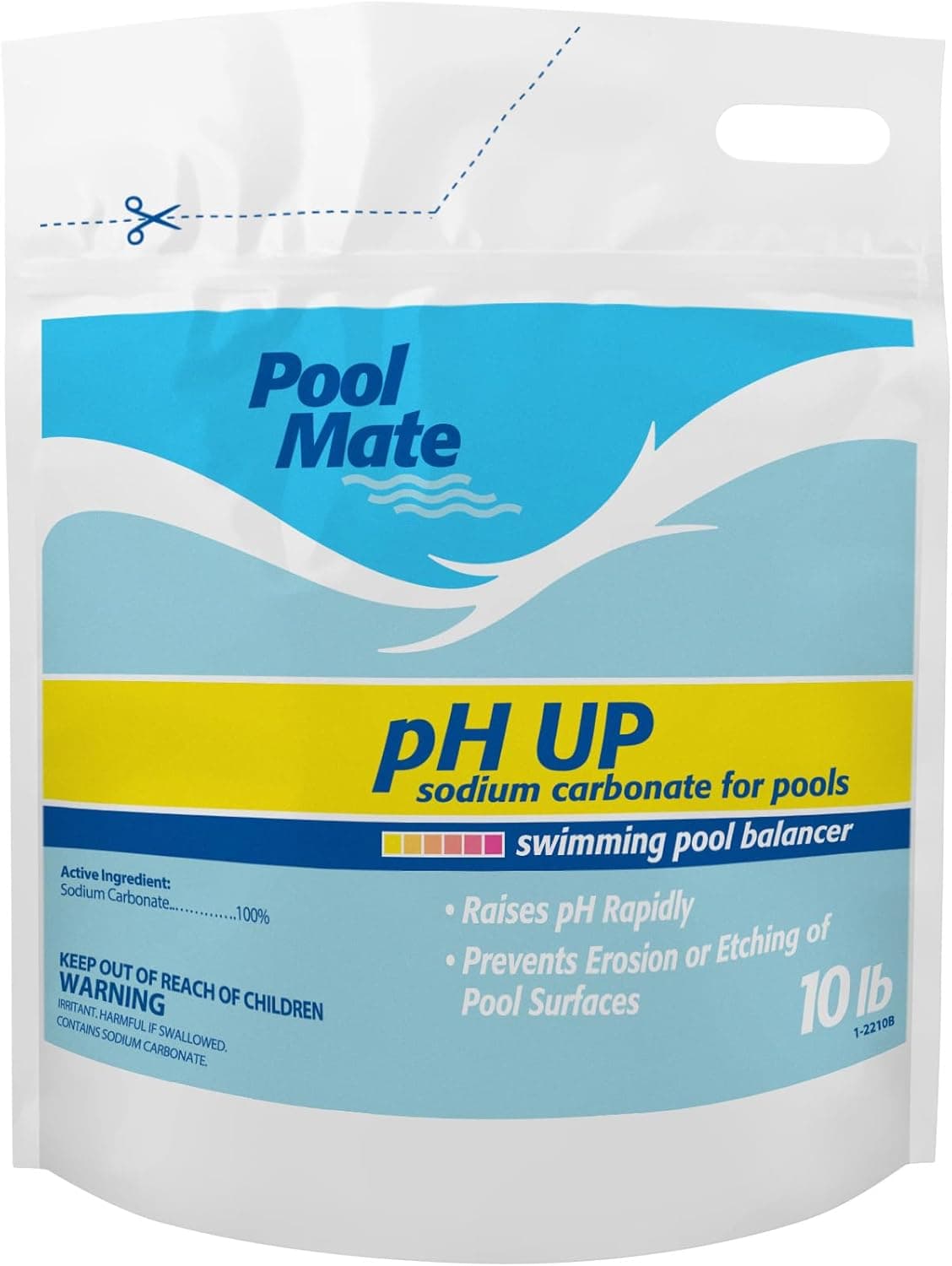
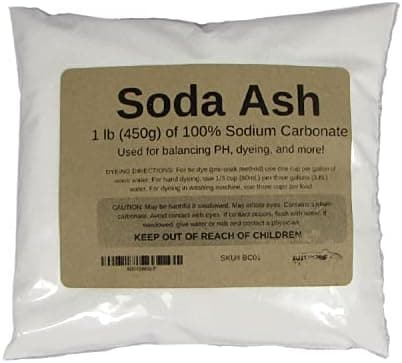
| Below 7.2 | Too Low | Add soda ash (pH increaser) |
| 7.2-7.6 | Perfect | No action needed |
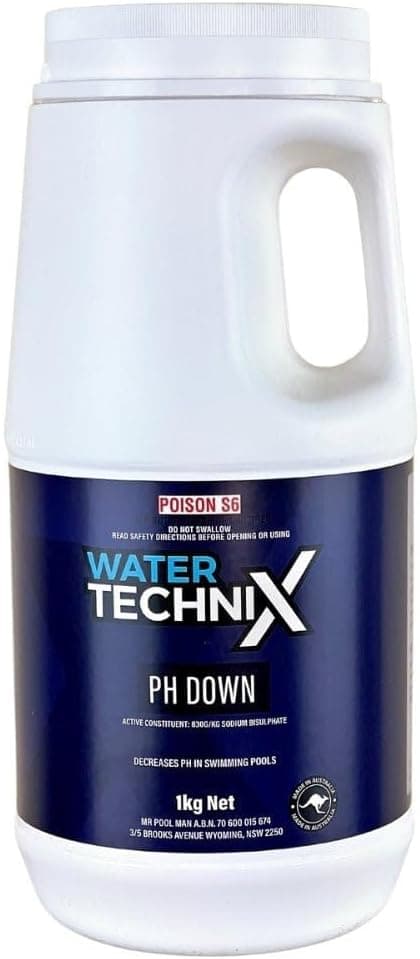
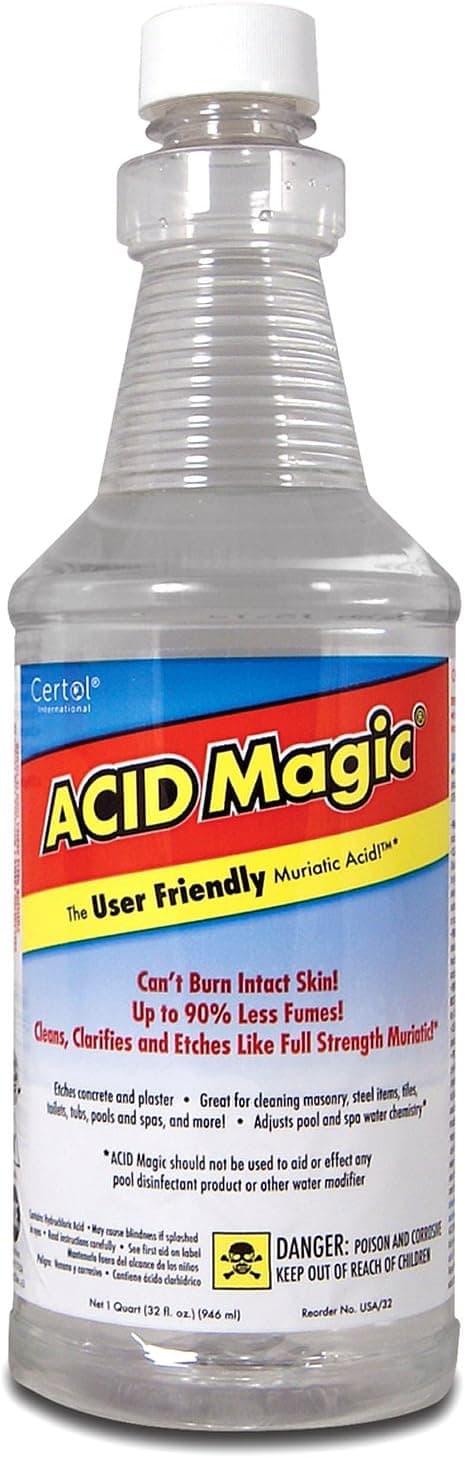
| Above 7.6 | Too High | Add acid (pH decreaser) |
Total Alkalinity Results Guide
| Reading | Status | Action |
|---|---|---|
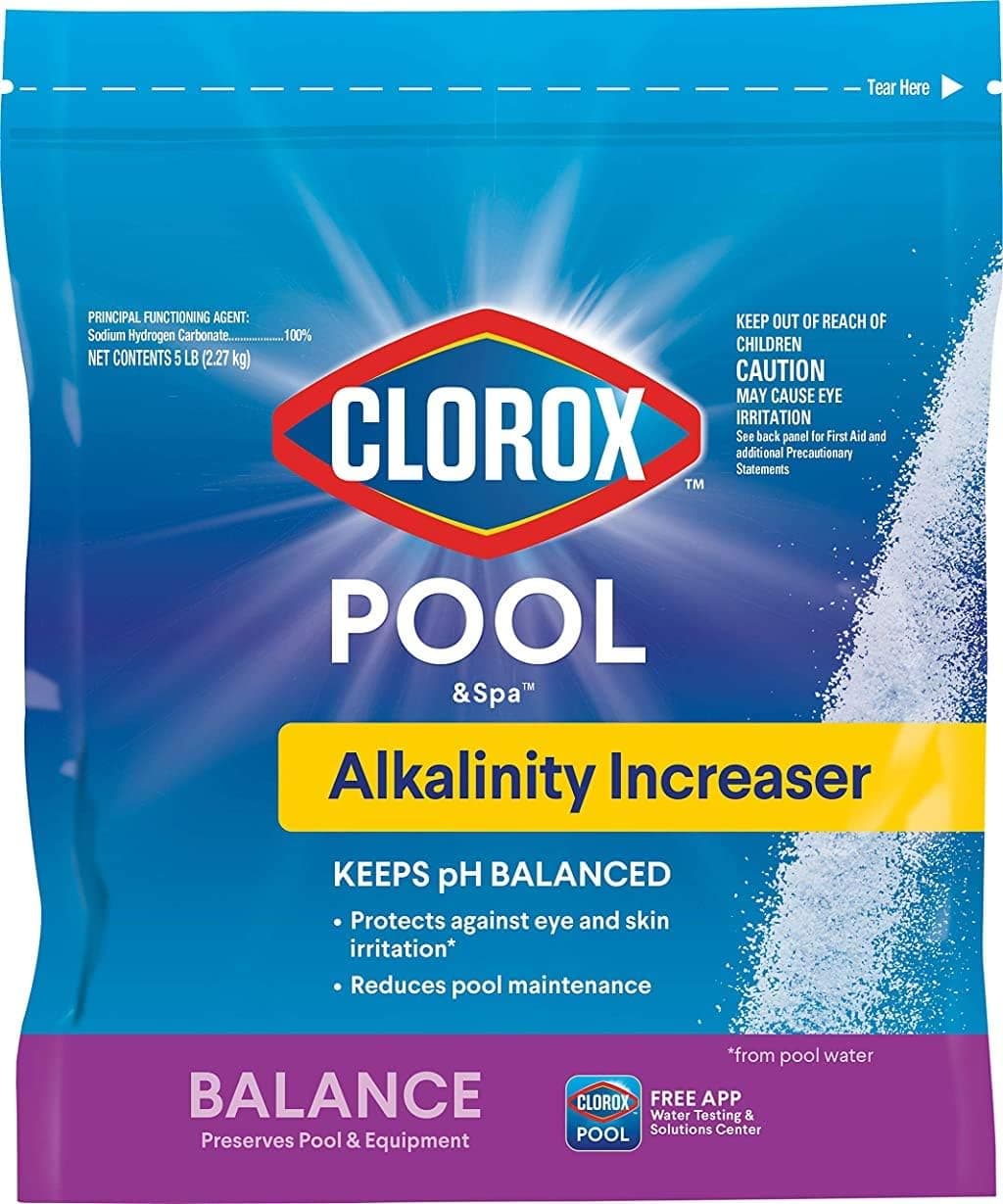
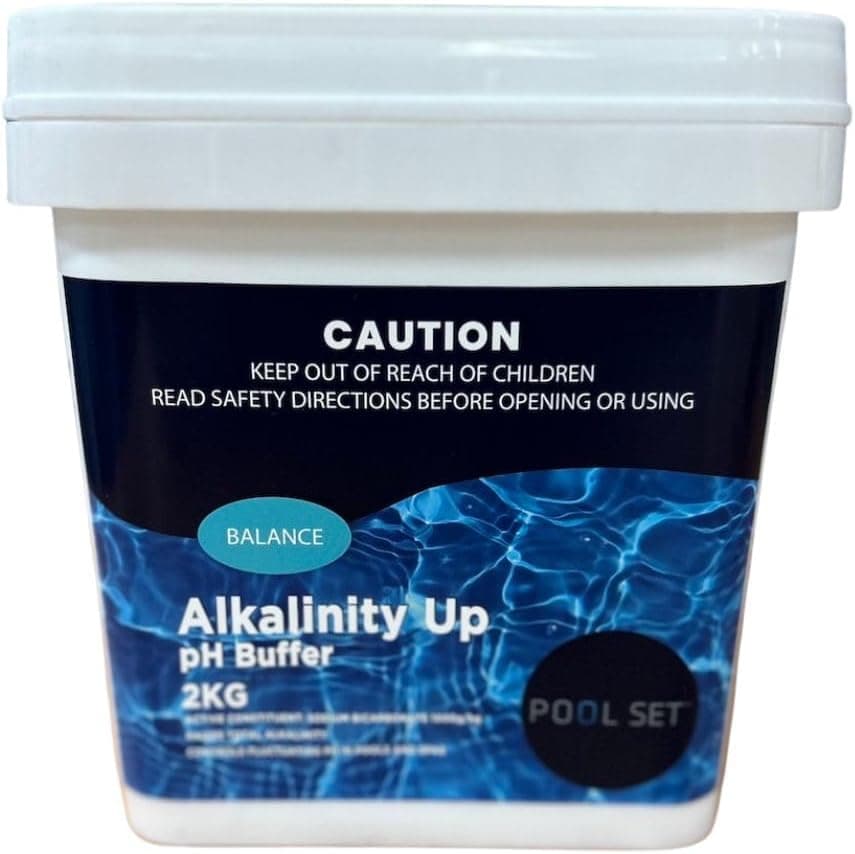
| Below 80 PPM | Too Low | Add alkalinity increaser |
| 80-120 PPM | Perfect | No action needed |
| Above 120 PPM | Too High | Dilute with fresh water |
Copper Results Guide
| Reading | Status | Action |
|---|---|---|
| Below 2 PPM | Too Low | Check system, add copper if needed |
| 2-4 PPM | Perfect | No action needed |
| Above 4 PPM | Too High | Consult manufacturer |
Recommended Testing Products
Recommended pH testing and balancing products
Test strips, pH increasers, pH decreasers, and buffer products for pool water balancing.
As an Amazon Associate, we earn from qualifying purchases.
When to Test
Weekly to Fortnightly (Summer)
During peak swimming season, test regularly. High temperatures, heavy swimmer load, and environmental factors can rapidly change water balance.
Every 2-4 Weeks (Winter)
During low-use periods, less frequent testing is typically sufficient. However, always test after heavy rain or when adding chemicals.
Always Test After:
- Heavy rain (dilutes chemicals)
- Adding chemicals (wait 2-4 hours, then test)
- Topping up with tap water
- Heavy swimmer load (parties, gatherings)
- Visible changes (cloudy water, algae)
Common Testing Mistakes
1. Not Waiting Long Enough
Test strips need exactly 15 seconds for accurate colour development. Testing too soon gives false readings.
2. Waiting Too Long
Colours begin to fade after 30 seconds. Always match colours within the 15-30 second window.
3. Testing in Poor Light
Colour matching requires good lighting. Natural daylight or bright white light is best. Avoid testing at night or in dim areas.
4. Not Folding for Copper Reading
The copper pad needs a white background behind it for accurate reading. Always fold the strip to create this background.
5. Testing Immediately After Adding Chemicals
Chemicals need time to circulate and mix. Wait 2-4 hours after adding chemicals before testing for accurate results.
Pool Shop vs Home Testing
Many freshwater pool owners discover that pool shop machines incorrectly read copper levels. Here's when to use each method:
Home Testing (Weekly Routine)
- ✅ Accurate copper reading
- ✅ Fast and convenient
- ✅ Free (after initial test strip purchase)
- ✅ No travel required
Pool Shop Testing (Every 4-6 Weeks)
- ✅ Comprehensive analysis (calcium, cyanuric acid, etc.)
- ✅ Professional advice
- ✅ Equipment checks
- ❌ May misread copper in freshwater pools
Recommendation: Use home test strips for weekly maintenance and pool shop testing every 4-6 weeks for comprehensive analysis. If copper readings differ, trust the home test strips designed for freshwater pools.
Frequently Asked Questions
What if pH and alkalinity are both low?
Adjust alkalinity first, then pH. Adding soda ash will raise both, but if alkalinity is very low, use an alkalinity increaser first before adjusting pH.
Can I use standard chlorine pool test strips?
No—standard test strips don't measure copper, which is essential for freshwater pool maintenance. You need strips specifically designed for freshwater or mineral pools.
Why do my readings vary between tests?
Slight variations are normal. For consistency, test at the same time each day, in the same location, after the pump has been running for at least 2 hours.
How do I know if my test strips are expired?
Check the expiration date on the bottle (usually 18-24 months). Expired strips may give inaccurate or no colour changes. Store in a cool, dry place away from chemicals.
Related Resources
- Freshwater Pool Test Strips: Guide to Testing Copper, pH & Alkalinity
- How to Test Copper in Pool Water: Freshwater Pool Owner's Guide
- When to Test Pool Water: Seasonal Testing Schedule for Australians
Australian Pool Owner? Regular testing is essential for freshwater pool maintenance. All recommended testing products are available on Amazon Australia with fast shipping.