
When to Test Pool Water: Seasonal Testing Schedule for Australian Pool Owners
Testing your pool water at the right times prevents problems before they start. For freshwater and mineral pool owners, following a seasonal testing schedule ensures your copper, pH, and alkalinity stay in range year-round.
When Testing Timing Matters
Freshwater pools rely on copper as the primary sanitizer (2-4 PPM) rather than high chlorine levels. This makes regular testing essential—without proper copper levels, algae can thrive. At the same time, pH and alkalinity must be maintained for the copper to work effectively.
Key insight: Pool shop machines often misread copper levels in freshwater pools. Trust home test strips for accurate readings between shop visits.
Seasonal Testing Schedule
Summer: Peak Testing Season (December - February)
Test frequency: Weekly to fortnightly
Summer is when your pool gets the most use and faces the most challenges. High temperatures accelerate algae growth, and increased swimmer load introduces contaminants that can affect water balance.
Summer testing triggers:
- High temperatures (above 30°C)
- Frequent swimming (daily use)
- Parties or gatherings (extra swimmers)
- Storms and heavy rain
- Visible debris (leaves, pollen)
Autumn: Transition Period (March - May)
Test frequency: Every 1-2 weeks
As temperatures begin to drop, biological activity slows but doesn't stop. Falling leaves can introduce phosphates and other contaminants that affect water chemistry.
Autumn testing triggers:
- Falling leaves in the pool
- Reduced swimming frequency
- Temperature fluctuations
- First heavy rains of the season
Winter: Maintenance Mode (June - August)
Test frequency: Every 2-4 weeks
During winter, lower water temperatures slow algae growth and reduce sanitizer demand. However, you still need to test to prevent problems from developing unnoticed.
Winter testing triggers:
- After heavy rain (even in winter)
- When adding winter chemicals
- If water becomes cloudy
- Before covering the pool
Spring: Prep Season (September - November)
Test frequency: Every 1-2 weeks
Spring is the time to prepare your pool for the swimming season ahead. This is your opportunity to address any imbalances before summer arrives.
Spring testing triggers:
- When removing pool cover
- Before starting pump for the season
- After spring cleaning
- As temperatures begin rising
Immediate Testing Triggers (Any Season)
Regardless of the season, test your pool water immediately after these events:
After Heavy Rain
Rain dilutes copper and lowers alkalinity. Test within 24 hours of any significant rainfall.
After Adding Chemicals
Wait 2-4 hours after adding chemicals, then test to verify levels are in range.
After Topping Up Water
Tap water has different chemistry than pool water. Test after topping up more than 5cm.
If Water Looks Off
Cloudy water, algae, or unusual colour indicates immediate testing is needed.
Time of Day: When to Test for Best Results
For consistent readings, test your pool at the same time each day. The best time is:
- Late afternoon or early evening (4-6 PM)
- After the pump has been running for at least 2 hours
- At least 8 hours after any chemical additions
- In natural light for accurate colour matching
Avoid testing: Immediately after swimming, right after adding chemicals, or during direct midday sun (glare affects colour matching).
Testing After Pool Service
If you use a pool service, test your water independently within 48 hoursof their visit. This verifies that:
- Copper levels are properly maintained
- pH and alkalinity are in range
- No contaminants were introduced
Remember: Pool shop machines often misread copper in freshwater pools. Compare their results with your home test strips and trust the strips if there's a discrepancy.
Recommended Testing Products
Recommended testing products
Fresh strips and a clarifier backup for diagnosing and clearing pool water faster.
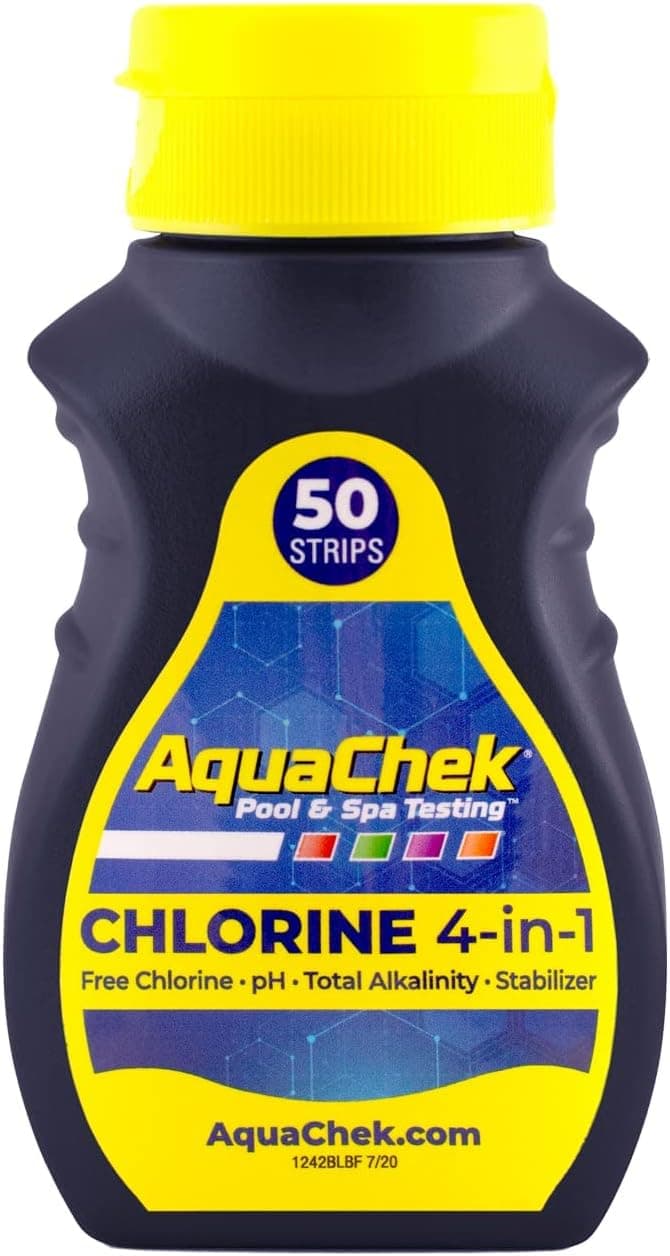
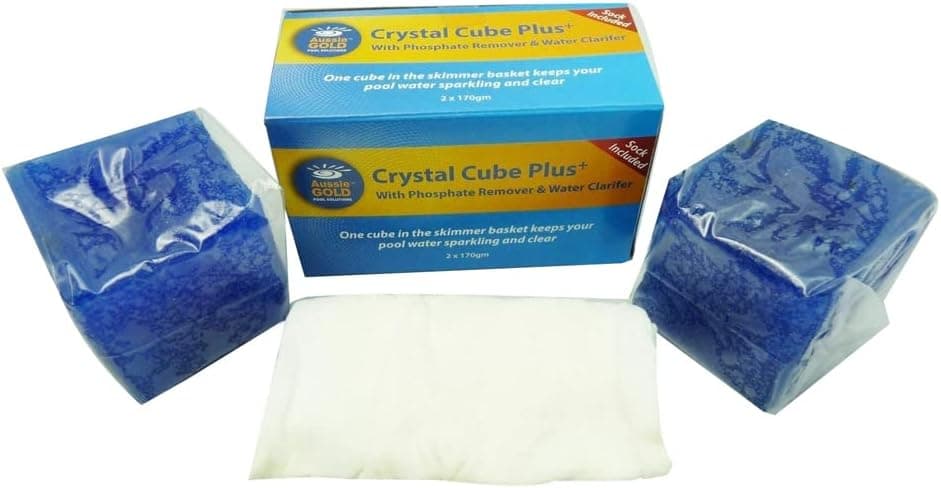
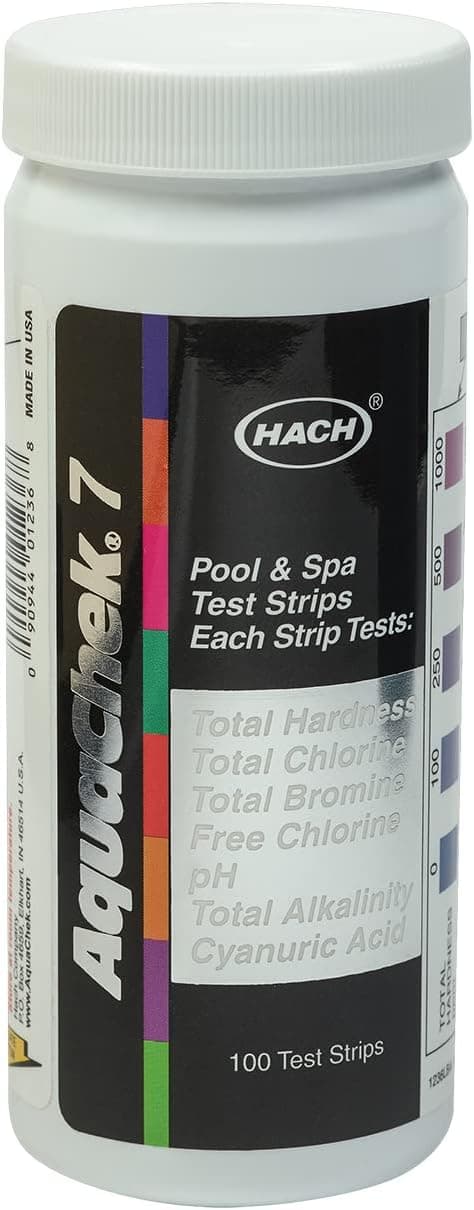
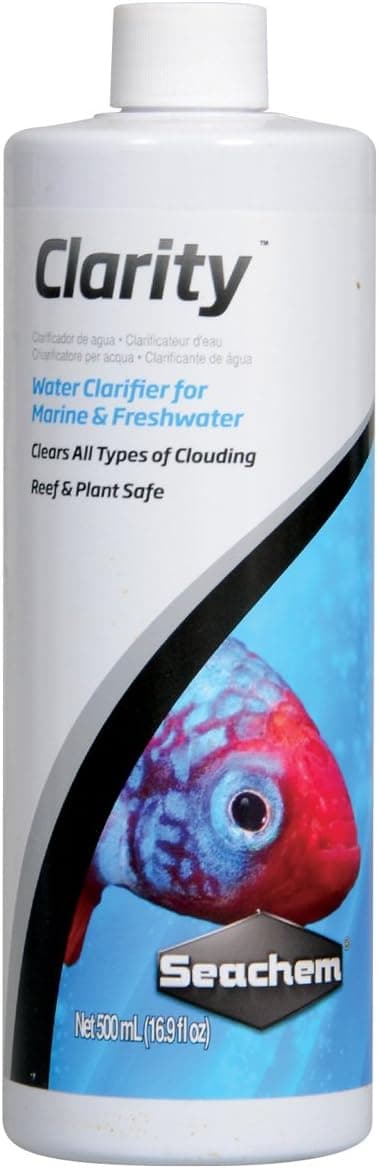
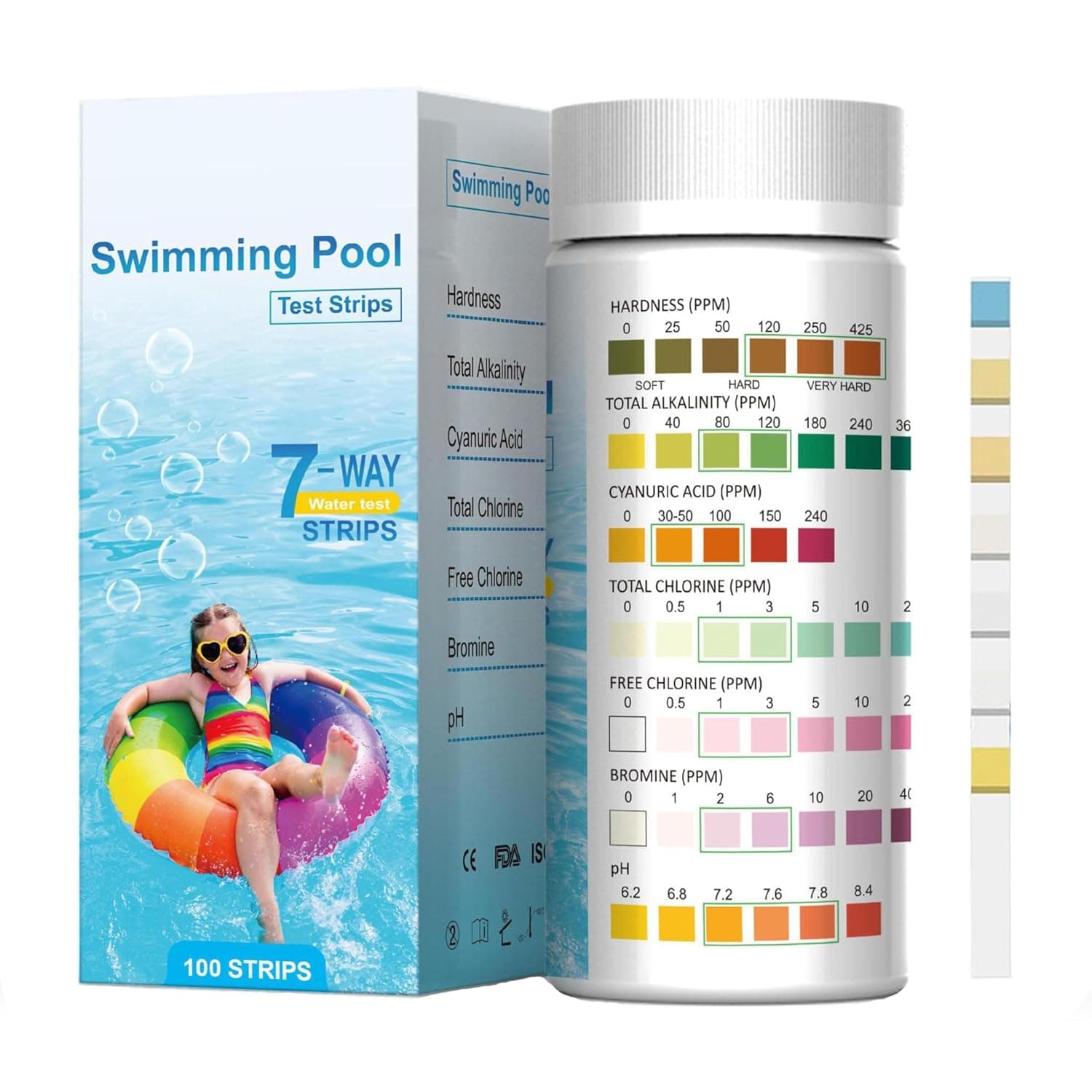
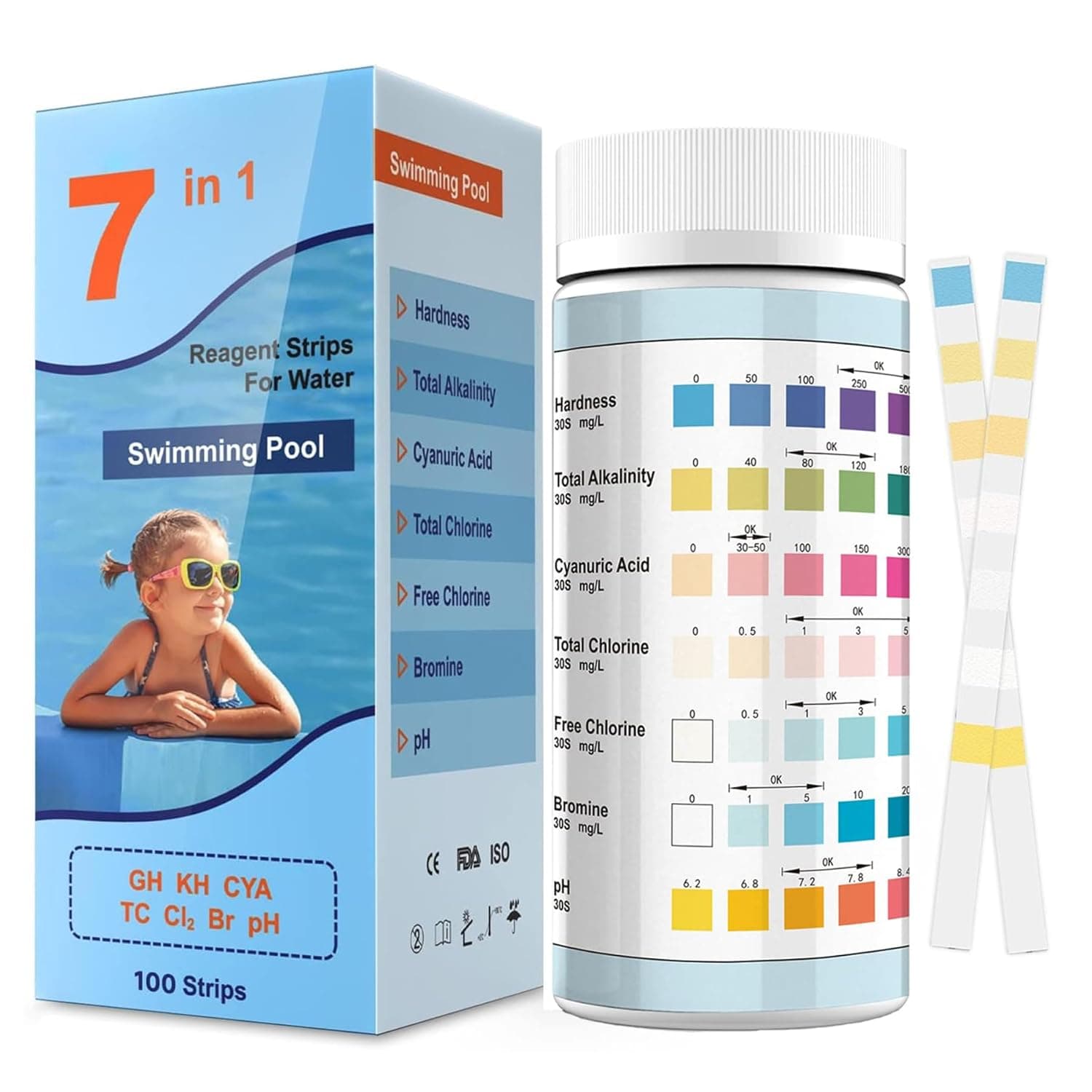
As an Amazon Associate, we earn from qualifying purchases.
Creating Your Testing Routine
The easiest way to maintain proper testing frequency is to create a routine:
Set Reminders
- Add testing reminders to your phone calendar
- Set recurring alerts for your seasonal schedule
- Link testing to another regular activity (e.g., after mowing)
Keep Records
- Log your test results in a notebook or app
- Track trends over time
- Note what affects your water (weather, usage, etc.)
Stock Up on Supplies
- Keep multiple test strip bottles on hand
- Store in a cool, dry place
- Check expiration dates regularly
Regional Variations Across Australia
Tropical North (Queensland, Northern Territory)
Year-round weekly testing due to consistent warm temperatures and high humidity. Watch for monsoon season rainfall which can dramatically affect water balance.
Temperate South (New South Wales, Victoria, South Australia)
Follow standard seasonal schedule. Pay extra attention during autumn leaf drop and spring pollen season.
Mediterranean West (Western Australia)
Extended summer testing (October - April) due to long, dry summers. Test after dry winds which can deposit debris and dust.
Frequently Asked Questions
Do I really need to test weekly in summer?
Yes—summer conditions can change pool chemistry rapidly. Weekly testing catches problems early before they become expensive to fix. A simple adjustment is easier than treating established algae.
What if I forget to test for a few weeks?
Test immediately when you remember. If the water looks clear and smells fine, your levels are likely still acceptable. If anything looks off, address it right away.
Can I skip testing in winter if I'm not using the pool?
Winter testing can be reduced to every 2-4 weeks, but don't skip it entirely. Left unaddressed, winter imbalances become major problems when summer arrives.
How soon after rain should I test?
Test within 24 hours of any significant rainfall. Rain is typically acidic and can dramatically lower pH and alkalinity while diluting copper levels.
Related Resources
- Freshwater Pool Test Strips: Guide to Testing Copper, pH & Alkalinity
- Best Pool Test Strips 2026: Copper, pH & Alkalinity Testing Compared
- How to Test Copper in Pool Water: Freshwater Pool Owner's Guide
Australian Pool Owner? Set up seasonal testing reminders to protect your freshwater pool investment. All recommended testing products are available on Amazon Australia with fast shipping.